
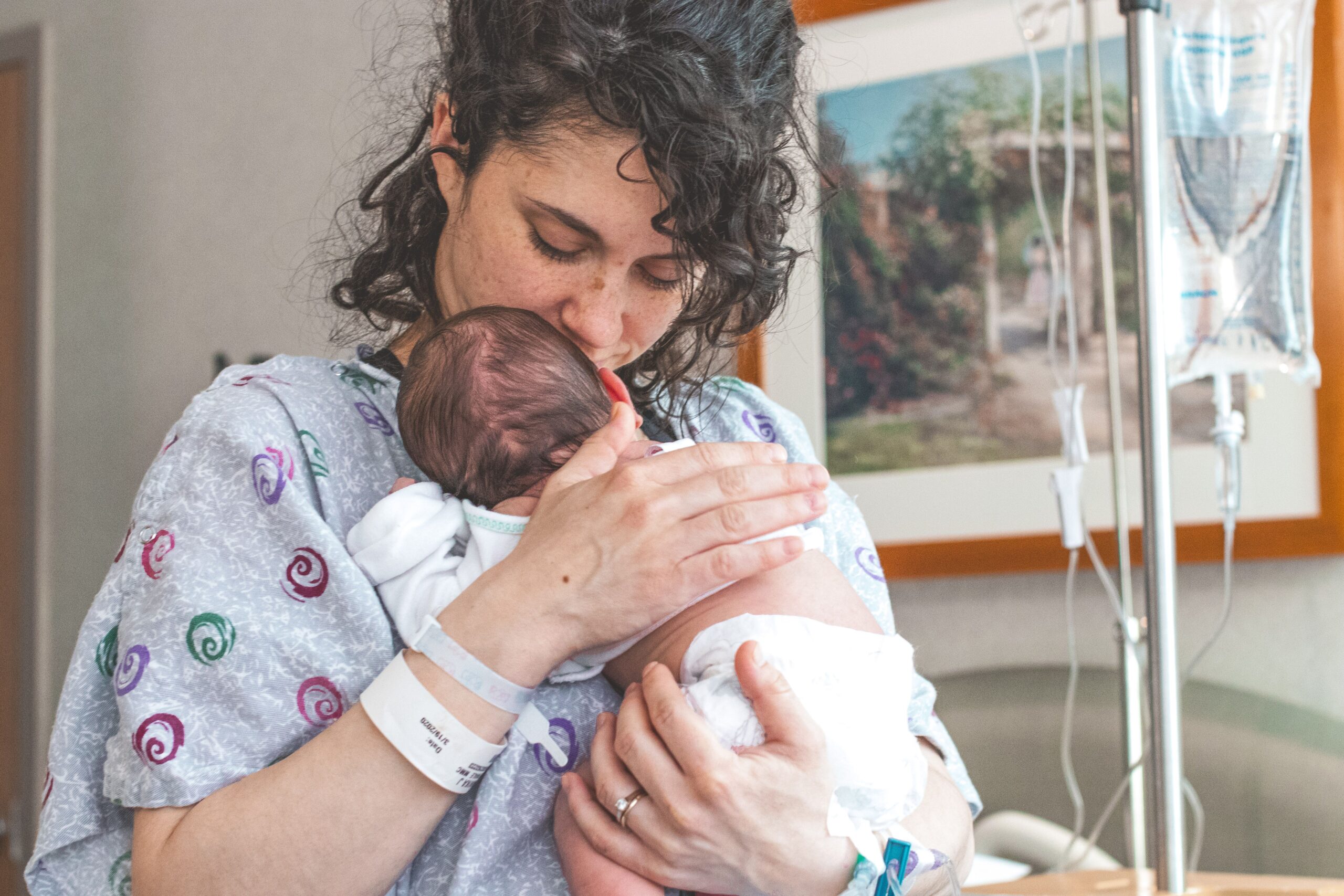
A cesarean is major abdominal surgery, and yet so many parents leave the hospital with almost no roadmap for what comes next. There’s often so much focus on the baby, that care for the birthing person and their recovery gets overlooked. If you are nodding your head knowingly, this blog is for you.
* See the checklist at the bottom of this article for quick planning!
* This blog is not a substitute for medical advice, diagnosis, or treatment; Austin/Asheville Baby Guru provides general information for people and families navigating pregnancy and/or postpartum. As always, please consult with your medical provider with any questions you may have regarding this information and/or your medical needs.
Ways to Heal and Recover After Cesarean Birth
-
- Your feelings about your birth are valid, whatever they are. Some parents feel completely at peace with their cesarean, even empowered by it, and that deserves just as much space as the harder feelings. If yours was unplanned, traumatic, or not what you pictured, though, be selective about who you process that with. Not everyone will hold space for it well, and “at least the baby’s healthy” is not a reason to feel that you have to bury how you feel. Save the real conversations for your doula, a therapist, or someone who will listen without judgment. Writing your story down privately can help too, even if you’re not ready to share it yet.
- Watch for complications and mental health concerns. Infections, blood clots, and surgical injuries are all real if not common risks after a cesarean. Trust your gut. If something feels off, call your provider and be persistent. The same goes for your emotional state. Cesarean parents face a slightly higher risk ofperinatal mood conditions. It’s common, and support is available.
- Get support for your body. You just had major surgery. Ideally, you shouldn’t also be doing laundry or chasing a toddler. Line up help, whether that’s a partner, family, or a postpartum doula, specifically for the tasks that aren’t feeding the baby. In those first three weeks, your job is really just three things: feed the baby, allow your body heal, and fall in love. Everything else can wait. Increase your activity slowly, and if possible, seek the support and guidance of a pelvic floor therapist. Increased postpartum bleeding is often a sign that you need to slow down. Note: some bleeding for 4-6 weeks is not uncommon but it should get lighter in color and flow across time.
- Accommodate your body. A postpartum support belt can be a game changer for some bodies. Put it on while lying on your back, then wear it whenever you’re up and around.It helps hold your uterus back toward your spine so it can shrink down behind the pelvic bone more easily, and it gives your incision some extra support too.
- Explore different nursing positions if you are bodyfeeding.Nursing takes some creativity after a cesarean. Side-lying nursing, for example, keeps the baby’s weight off your incision and saves your abs from working to prop you up. An IBCLC will be a great resource for your feeding journey, no matter how you are feeding your baby.
- Care for your GI system. Anesthesia and pain meds can cause your bowels to slow way down and straining with a fresh incision is not just painful, but also risky. Stool softeners, water, fiber, prunes, and movement can all be tools for keeping things moving. If you’re not having bowel movements, tell your provider.
- Nourish your body.Vitamin C, zinc, and collagen (hello, bone broth) all support wound healing. If you’re vegetarian, mushroom broth (shiitake is especially rich) or a miso and seaweed broth are great collagen-boosting stand-ins, alongside plenty of vitamin C and zinc-rich foods like lentils, beans, and pumpkin seeds to support your body’s own collagen production. Set up a MealTrain or Care Calendar, freezer meals, or a postpartum doula who can help keep nourishing food in front of you.
Healing from surgery while navigating early parenthood is a lot, and we encourage you to lean into the care and support of your community as you heal and get to know your baby.
Baby Guru is Here for You
We are here to support your family and help you navigate early parenthood and postpartum. Reach out about postpartum support inAustin or birth and postpartum support in Asheville!
A Resource for You
You may consider printing this checklist or taking a screenshot to keep these things top of mind as you heal. You’ve got this!
Quick Checklist: Caring for Yourself After a Cesarean
- Line up help for household tasks and older kids, not just baby care
- Identify a few safe people to talk to about your birth experience
- Wear a postpartum support belt when you’re up and around for the first few weeks
- Try side-lying nursing once you’re comfortable moving and/or get lactation support
- Drink plenty of water and eat fiber-rich foods to support your bowels
- Take stool softeners/laxatives as needed, and call your provider if you are constipated
- Stay on top of your pain meds; don’t wait until you’re hurting to take them
- Stock up on vitamin C, zinc, and collagen-rich foods (bone broth or a vegetarian alternative)
- Set boundaries with visitors around timing and expectations
- Increase activity slowly, a little more each day, and treat increased bleeding as your body’s signal to slow down
- Watch for signs of infection or complications and call your provider if something feels wrong
- Stay aware of your emotional and mental health, not just your physical recovery
*Photo credit: Craig Adderley on Pexels






0 Comments